

Passive to participatory: How Amp Health is transforming learning and leadership
Across Africa, public health teams are reimagining how they learn, lead, and deliver. In countries like Chad, Mali, and the Central African Republic (CAR), a quiet transformation is underway: public health teams are moving from passive recipients of training to active drivers of change – and Amp Health is walking alongside them every step of the way.
Traditional training in the public health sector has often been one-directional: lecture-based, theoretical, and disconnected from real-world challenges. While these sessions built technical knowledge, they rarely sparked ownership or creativity.
Amp Health does things differently. Our model places country leadership and experiential learning at the heart of systems strengthening. We co-design programmeås with our partners, using facilitation methods that spark conversation, deepen reflection, and build confidence. There are fewer slides and more stories. More problem-solving, less rote memorisation.
And the results are tangible. Across our partnerships, public sector teams that once depended on external delivery are now designing and leading dynamic learning experiences of their own.
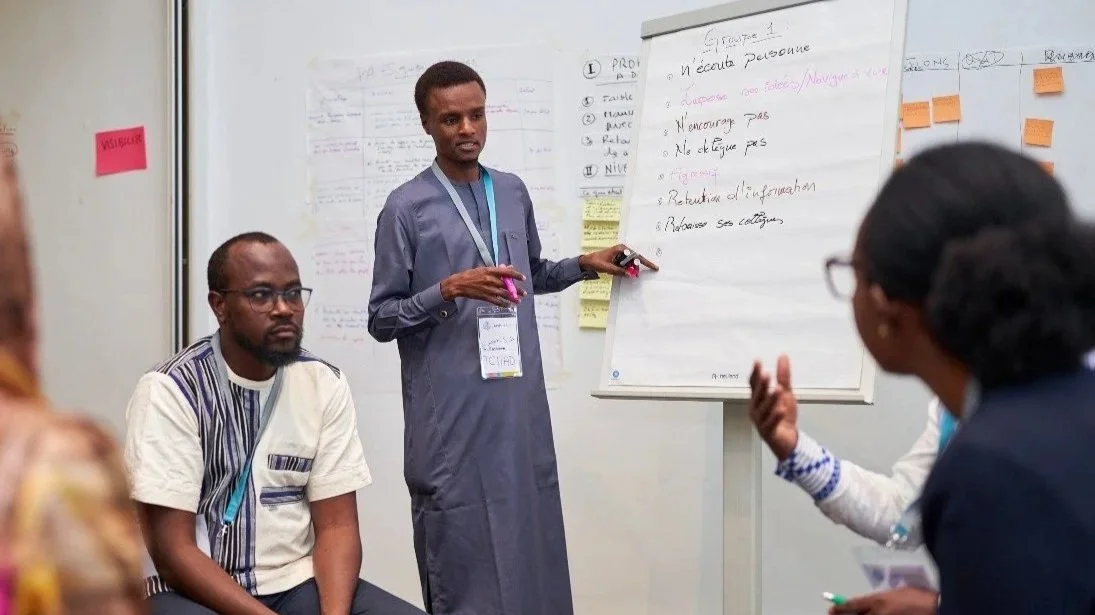
How ministries are changing the way they learn
Here is how three country teams are embedding these changes into their systems and making learning more meaningful and sustainable.
Central African Republic: building confidence and ownership
In the CAR, Ministry of Health teams once relied heavily on external partners for training workshops, which were often shaped by donor agendas rather than local needs. Team members felt more like observers than leaders.
That dynamic has shifted. With Amp Health’s coaching and mentorship, teams now design, facilitate, and evaluate their own sessions. These workshops begin with shared expectations, include real-time reflection, and end with clear action plans. Sessions feature personal storytelling, peer co-facilitation, and energising activities that bring people together.
As one participant shared, every session now “combines business with pleasure”, making learning not just effective, but deeply human.
Chad: From technical lectures to applied learning
In Chad, the National Malaria Control Programme (PNLP) once delivered content-heavy lectures that left participants unsure how to apply what they’d learned.
Inspired by their partnership with Amp Health, the PNLP team now uses simulations, peer-led discussions, and reflective debriefs. A flagship example is the Paludology Certificate Programme, co-developed and delivered by PNLP, with support from other government teams. The course features case studies, problem-solving exercises, and interactive assessments, all led by an internal Learning Champion.
What was once technical training is now a living, learning experience that continues to inspire others across the health system.
Mali: Making learning interactive and alive
In Mali, national training sessions for the Sub-Directorate of Health Establishments and Regulation (SDESR) followed a familiar pattern: PowerPoint lectures, limited interaction, and little connection to frontline realities.
With Amp Health’s support, the Ministry of Health has redesigned its Quality Improvement (QI) modules to center real-world engagement. Each module now features:
Case studies from Malian health facilities
Group problem-solving and Q&A
Energiser games and group activities
Peer-led facilitation and guided reflection
The result? Training sessions have become collaborative learning labs – spaces where ideas are tested, shared, and refined in real time.
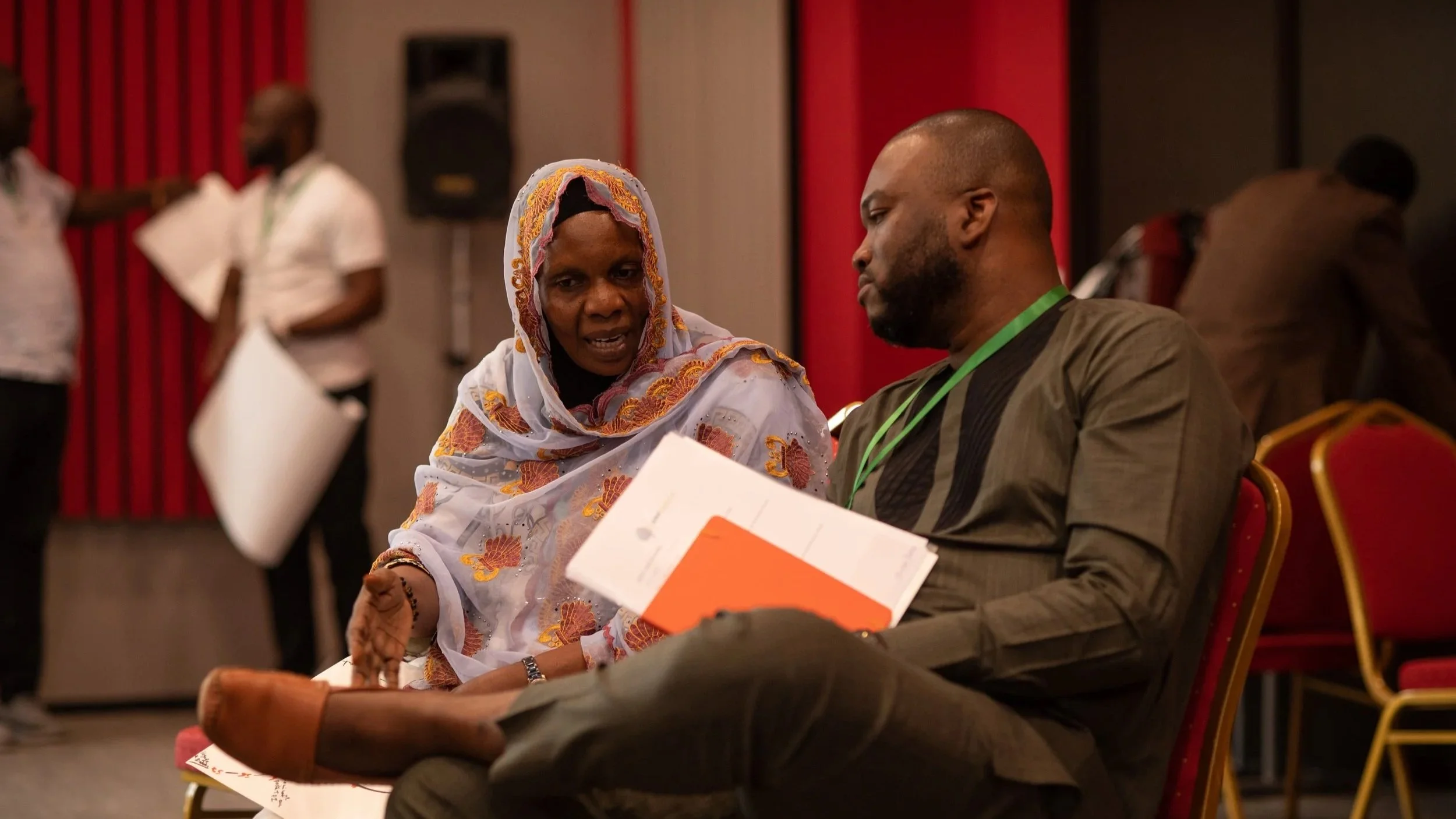
A movement for continuous learning
What began as technical training has evolved into something deeper: a shift in mindset and systems. Ministries are no longer just implementing programmes – they are cultivating a culture of adaptive leadership and continuous learning.
Across Amp Health’s partnerships, over 1,000 civil servants have participated in experiential learning and coaching initiatives. Of the teams surveyed, 91% report improved effectiveness and goal achievement following an Amp Health partnership.
As learning becomes more collaborative, practical, and rooted in real-world needs, public health leaders are stepping up – not just to deliver programmes, but to shape the systems that deliver them.