

Why are women waiting longer for a diagnosis?
On the sidelines of the 81st United Nations General Assembly, the Partnership for Women’s Wellness and Siemens Healthineers brought together global experts in health policy, systems strengthening, funding and clinical practice to ask a critical question: Why are women waiting longer for a diagnosis for noncommunicable diseases?
Amp Health CEO Robert Newman joined the roundtable, which explored the complex biological, structural and social factors that can delay diagnosis and care for women. Participants agreed that addressing these barriers will require collaboration across governments, health systems, communities, industry and other partners, with a focus on solutions that can work in real-world settings.
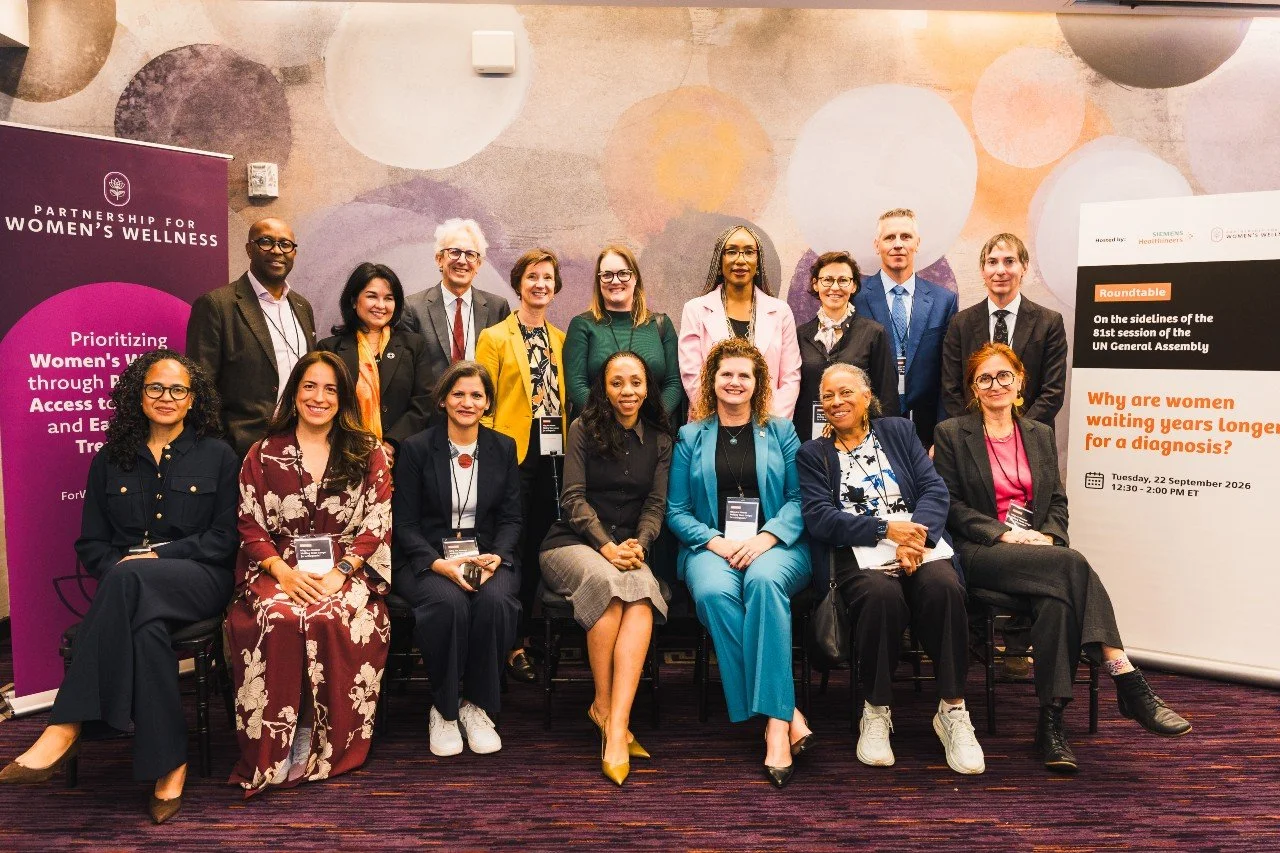
Siemens Healthineers and Partnership for Women’s Wellness roundtable participants
Three messages stood out:
Health systems must recognise and address the barriers that delay care for women.
Investing in women’s wellness is both a moral responsibility and an economic imperative.
Closing the gender health gap requires shared resources and meaningful participation from women in decision-making, early and often.
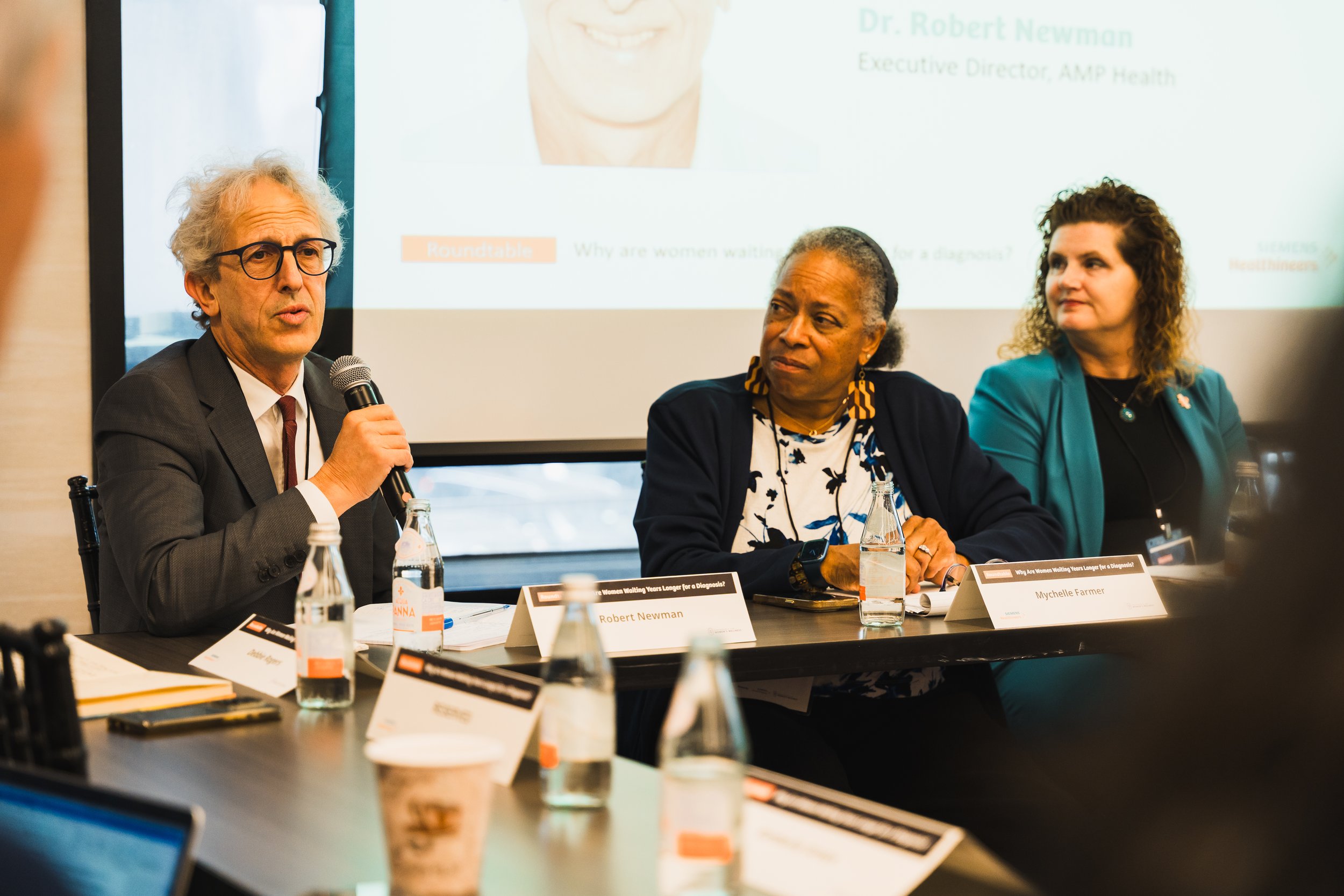
“It is time to change the paradigm, and move from talking about noncommunicable diseases to talking about chronic diseases.”
Dr Robert Newman, CEO, Amp Health
For Dr Newman, this also means rethinking how we approach chronic disease.
He pointed to the HIV response as an example of how countries have built systems for proactive screening, prompt treatment, and long-term care. These platforms, he argued, offer an opportunity to strengthen access to services for other chronic diseases, including cardiovascular disease, hypertension, diabetes, and cancer.
But expanding access is only part of the solution. Women must help shape how these services are integrated and delivered if we are to ensure that efforts to improve diagnosis and treatment also address the gender gap in health.
Discover how Amp Health works with governments to strengthen the teams and systems needed to make this sort of work possible here.